XT10 Support


Top Five FAQs
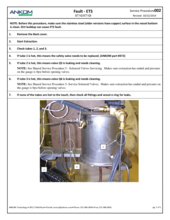
Refer to XT15 Service Procedure Fault – ETS (X5S016) or Refer to XT10 Service Procedure Fault - ETS (X0S002).
Note: Older XT10 or XT15 software may present variations in fault wording. Should technical service be required, please photograph the fault screen so the technician can verify the software version.
For XT10, see Service Procedure Fault ETS (X0S002).
For XT15, see Service Procedure Fault ETS (X5S016).
There are three primary reasons for high crude fat results:
- Incomplete drying in the pre-extraction phase. This is the biggest contributor to high crude fat results. It is vital that all the moisture in the sample is removed before extraction as the ANKOM technique uses the indirect method of determining fat (fat by weight loss). We recommend regularly running moisture content (dry matter) analysis (3 hours at 100-105C) of internal check samples to ensure that drying is complete. Incomplete drying may result due to incorrect use of desiccant pouches, incorrect oven temperature settings, hot or cold spots in the oven, or the oven being overloaded with other samples or glassware.
- The XT4 bag is not completely sealed. This may cause sample to escape from the bag and be included in the calculation for fat loss.
- The XT4 bag is contaminated by fat from another sample.
Crude Fat results could be low for any of the following reasons:
- The extraction was not run long enough.
- The sample was not dried long enough post-extraction
- Fat migrated from a bag during the pre-dry step.
- Desiccant was either not used or incorrectly used during the post-dry phase.
- The water was not turned on or the flow meter was turned down.
- There was too much sample in the bags or too many bags in the instrument.
There is a leak. The most common cause is a leaky Q1 valve, which would cause cooling water to flow into the vessel during the heating stage.
To test:
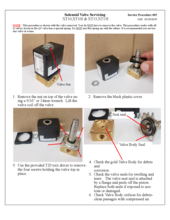
Turn the instrument completely off but keep the water supply on. Check to see if water is running out of the drain line. Water should not be running out of the drain line if the instrument is off. If it is, then you need to inspect and clean valves Q1, Q2, and Q3 (Q1 is the most important). To inspect the valves, turn off the water supply and refer to XT15 and XT10 Service Procedure Solenoid Valve Servicing (XTS005).
After inspecting the valves, turn your water supply back on and verify that no water is running through the drain line while the instrument is off. Run an extraction. If the vessel is not heating, contact ANKOM.
Note: Older versions of the XT15 software may have different wording, please take a picture of the screen and submit it to ANKOM for further assistance.
Troubleshooting? Let us help!
For the most efficient and quick way to determine what your instrument issue is, it is important to fill out the diagnostic questionnaire below and submit to our analytical service form. Our team will review and get back to you with help!
Parts & Consumables
Browse the XT10 Product Catalog for associated parts and support items
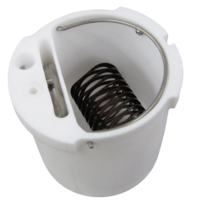
Preventative Maintenance Kit
Essential items needed to keep your instrument operating smoothly
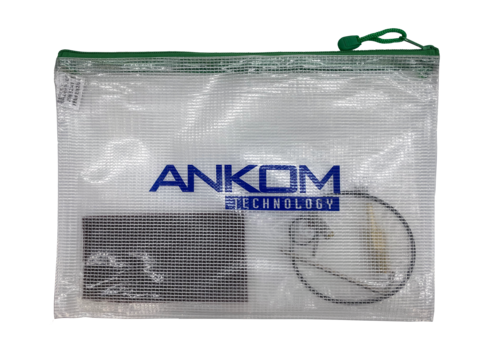
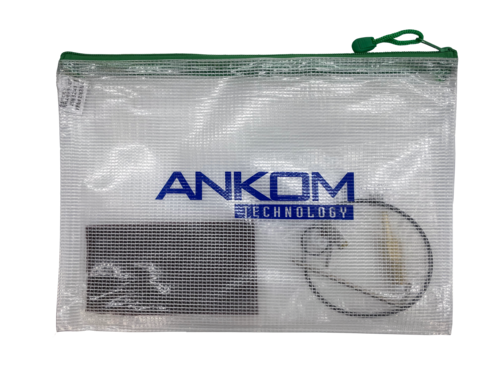
High Penetration Solvents PM Kit
Parts and instructions for the high-penetration XT10 Fat Extractor
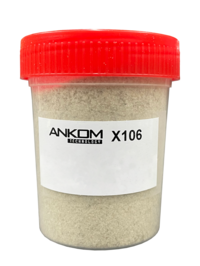
Instrument Performance Test
Check samples ensure proper function of the instrument and correct procedural technique
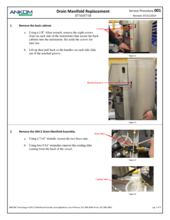
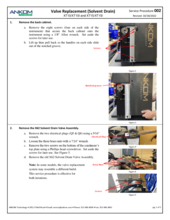
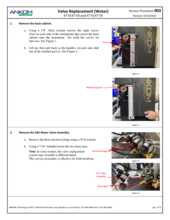
Service Procedures

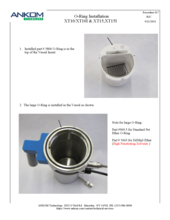
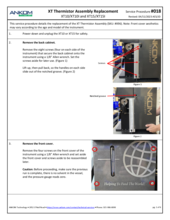
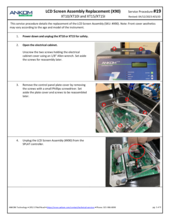
How can we help?
Don’t see what you need on this page?
Search for a specific topic to search all resources.