Instruments
Product Categories
Resources
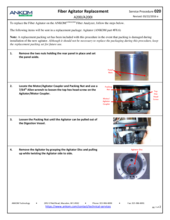
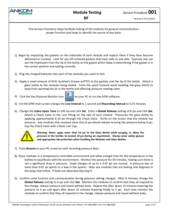
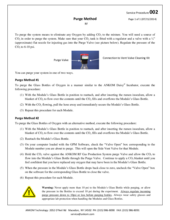
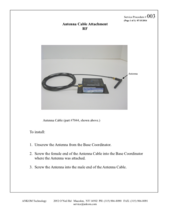
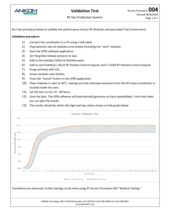
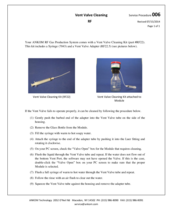
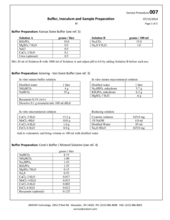
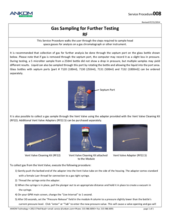
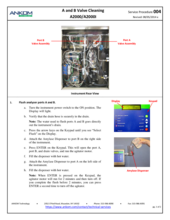
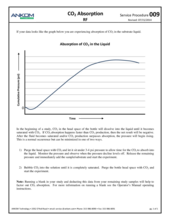
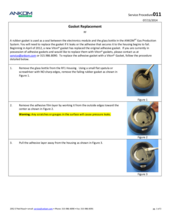
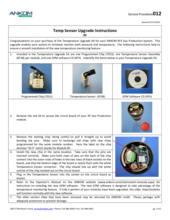
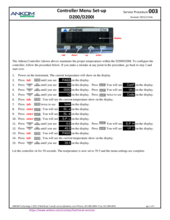

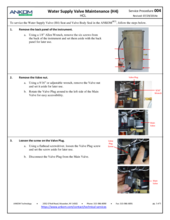
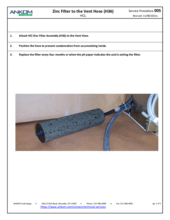
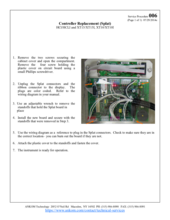
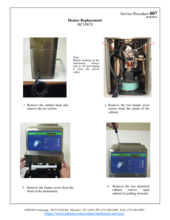
Below is a list of steps to verify that the XT instrument is operating correctly. Always refer to your manual for complete, detailed information. Refer to XT15 Service Procedure Solvent, Vent, and Water Diagram (X5S006) for a four-page diagram that...
When using the Mojonnier mixture of solvents, a black residue may build up on the bottom of the vessel. If this coating becomes too thick, an "Overtemp Fault" "" may occur. The black residue can be cleaned using a drill with a long-shafted...
The enzyme tubing should be changed annually under normal use. Heavy use may necessitate a shorter timeframe between tubing changes. The Enzyme Tubing Replacement Kit ( Part #: TDF67) is available for purchase by contacting ANKOM Technology at (315)...
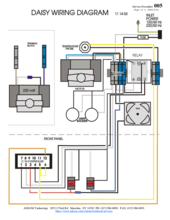
When the rotation switch is activated on the Daisy, the jars should continue to rotate until the switch is turned off. Possible Causes: There is not enough friction between the outside surface of the jars and the rollers on the instrument. This is...
Contact ANKOM Technology via e-mail at https://www.ankom.com/contact/technical-services or by calling 1-315-986-8090 for assistance in making this determination. Follow D200 Service Procedure 1 to replace the motor on the Daisy instrument.
This analysis can be performed using the older Kjeldahl Method with filter bags. The automated combustion instruments (Dumas Method) can also be used. With some of the automated instrumentation, it may be difficult to get the entire filter bag into...
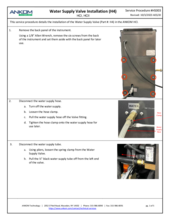
Possible Causes: When the start button is pushed, the computer tells the appropriate valve to open and allow flow from the cubitainer into the vessel. If the liquid is manually poured into the vessel before the computer communicates with the...
This issue may occur if the instrument is not fully purged of the residual enzyme left in the supply lines, especially Trizma. ANKOM recommends flushing the enzyme supply lines with alcohol weekly when enzymes are being used. Further, we recommend...
The enzyme tubing may be clogged. Look at the enzyme tubing from the reservoirs to the Enzyme Pinch Valve and beyond to the manifold. If there is any discoloration or gelled material in the tubing, replace the tubing. Contact ANKOM Technology at...
This may be the result of one of the IDF or SDF valves being stuck in a closed or partially closed position. Using the Diagnostics screen select Valve Test and look for IDF Inlet, SDF Inlet, and Waste buttons. Run a brief test using the screen to...
Refer to TDF Service Procedure E13 Diagnosis (TS001) to diagnose tubing pressure failure.
An E11 fault is the result of the high-pressure sensor reading input pressure below 35 psi. N2 input pressure is always monitored and the fault could occur at any point during a run. The fault will interrupt the run and wait for the operator to...
The Silicone Pump Tubing ( Part #: TDF68) should be changed when the instrument prompts the user with an E13 warning for weak pump tubes. The pump tubes typically last 6 months under normal use. Heavy usage may necessitate a more abbreviated...
Refer to TDF Service Procedure Long-Life Pump Tubing Replacement (TS028) for instructions.
Yes, there is a recommended procedure for the TDF Instrument for periods of non-use in Appendix C of the Operator's Manual for instructions. Following this procedure will help maintain clear fluid lines. The most current Operators Manual can be found...
Yes. Please refer to TDF Service Procedure Return Shipping Instructions (TS019) for details.
Refer to TDF Service Procedure Tube Replacement Enzymes (TS004) and review the steps related to relaxing or pre-stressing the replacement silicone tubing by rolling them with a rod or dowel.
Possible Causes: The rinse water supply temperature did not meet method standards. This may affect results with certain samples. Make sure the water supply has a temperature of no less than 50°C for Crude Fiber or no less than 70°C for ADF and NDF...
The following are two possible reasons why enzymes may not be drawn from the reservoir. (1) The silicone tubes may be worn or flattened from use. To inspect the tubing, refer to TDF Service Procedure Tube Replacement (Pinch Valves) (TS005) and...